


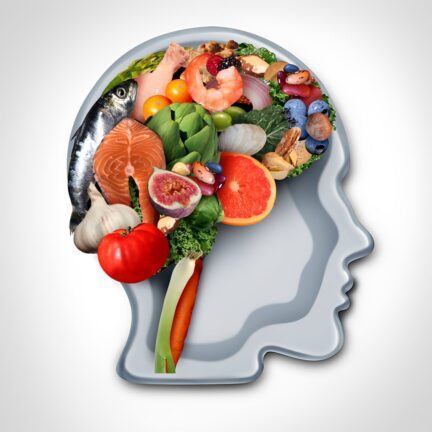




What Are Migraines and How Can Nutrition Help

Clinical Nutrition & Wellness
What Are Migraines and How Can Nutrition Help?
Understanding what actually matters—and how to support your body without over-restricting your diet
Who this is for:
People who experience migraines and feel unsure what to eat—or are tired of overthinking food and want a simpler, more balanced approach.
Who This Is For
This article is for you if you:
- experience migraines and are trying to understand possible triggers
- feel overwhelmed by conflicting nutrition advice
- have considered cutting out multiple foods “just in case”
- want a clear, realistic approach that fits your life
Whether your migraines are occasional or more frequent, this is designed to help simplify what actually matters.
If migraines are affecting your day-to-day life, you’re not alone
Migraines are more than just a headache.
For many people, they are a complex neurological condition that can impact:
- daily routines
- work
- energy levels
- overall quality of life
And often, one of the most frustrating parts is not knowing what’s actually causing them.
What are migraines?
Migraines are a neurological condition characterized by recurring episodes that may include:
- moderate to severe head pain (but not always)
- nausea or vomiting
- sensitivity to light or sound
- visual disturbances (aura)
- fatigue
- difficulty concentrating
Migraine episodes can last anywhere from a few hours to several days.
Triggers vary from person to person and may include:
- stress
- changes in sleep
- hormonal fluctuations
- environmental factors
- and sometimes food
Because migraines are influenced by many factors, they are rarely caused by just one thing.
This is why a multi-factor approach is so important—what works for one person may not work for another.
Why nutrition matters (and why it can feel confusing)
Nutrition can play a role in migraines—but it’s often misunderstood.
Many people come across long lists of “trigger foods” and feel like they need to cut everything out.
This is where things can quickly become overwhelming.
In many cases people end up restricting far more than is actually necessary.
- In many cases, people end up restricting far more than is actually necessary.
- And that added stress can sometimes make symptoms worse—not better.
- Sometimes a food is blamed for a migraine when other factors may have played a larger role.
A more helpful approach: look for patterns, not perfection
Instead of focusing only on what to eliminate, we shift toward:
- understanding patterns over time
For some individuals:
- certain foods may play a role
For others:
- meal timing, hydration, or overall patterns may matter more
The goal is not to have a “perfect” diet—it’s to find what consistently supports your body.
Nutrition is not only about avoiding triggers—it can also help you manage symptoms, support energy, and navigate different phases of a migraine (before, during, and after).
Common dietary migraine triggers (but not for everyone)
Some foods have been identified as potential triggers—but this is highly individualized.
Common examples include:
- alcohol (especially red wine)
- aged cheeses
- processed meats (nitrates)
- foods containing MSG
- artificial sweeteners
- chocolate (for some individuals)
These are not automatic “avoid” foods for everyone.
You may tolerate certain foods at times and not others, depending on your overall “trigger load” (sometimes called a trigger bucket).
Working with a dietitian can help identify what actually applies to you—without unnecessary restriction.
One of the most overlooked nutrition triggers: inconsistent eating
Skipping meals or going long periods without eating can be a major trigger for some people.
For individuals who experience nausea or vomiting with migraines, maintaining regular eating can be especially challenging—but also important.
When blood sugar drops, it may increase the likelihood of headaches or migraines.
Helpful strategies:
- eating regularly throughout the day
- including balanced meals (protein, carbohydrates, fats)
- avoiding long gaps between meals
Consistency often matters more than perfection.
The goal is to find strategies that work for your symptoms, frequency, and day-to-day reality.
Hydration matters more than most people think
Even mild dehydration can trigger headaches in some individuals.
Staying consistently hydrated can support:
- brain function
- circulation
- overall symptom management
Small, consistent habits often make the biggest difference.
Nutrients that may support migraine management
Some nutrients have been studied for their role in supporting individuals with migraines:
Magnesium
Supports nerve function and may help reduce migraine frequency for some individuals.
Riboflavin (Vitamin B2)
Plays a role in energy production and has been studied in migraine prevention.
Omega-3 fatty acids
Found in fatty fish, may support anti-inflammatory processes.
Always speak with a healthcare professional before starting supplements.
There’s another piece that often gets missed: your environment
For many people with migraines, it’s not just food—it’s how everything feels.
Things like:
- bright lights
- strong smells
- noisy or busy environments
- certain textures
…can influence symptoms or make eating feel more difficult.
If this sounds familiar, you’re not alone.
And it’s something we can work with—not something you need to push through.
Where many people get stuck
Trying to figure everything out alone can be overwhelming.
There’s a lot of information online—but not all of it applies to you.
This often leads to:
- unnecessary restriction
- confusion about what matters
- overthinking every food choice
How working with a dietitian helps
Working with a Registered Dietitian helps simplify the process.
Instead of guessing, you get:
- clarity on what actually matters
- support identifying real food triggers (if they exist)
- a plan that supports different phases of migraines
- a plan that fits your lifestyle
- guidance that reduces stress around food
This often saves months (or years) of trial-and-error and unnecessary restriction.
Depending on your needs, this support can also be part of a more comprehensive, team-based approach—integrating nutrition with other areas of care to better support long-term symptom management.
A simple place to start
If you’re unsure how your current eating habits may be influencing your symptoms:
Taking your Healthy Eating Index (HEI) Score gives you a clear, snapshot of where you’re at—and what to focus on next without overhauling everything.
You’ll also have the option to review your results and create a plan that works for you.
When to seek nutrition support
When to seek nutrition support
If migraines are frequent or impacting your daily life, nutrition can be one piece of a larger, supportive approach.
A dietitian can help you:
- identify patterns
- build consistent eating habits
- reduce unnecessary restriction
- feel more confident in your choices
This often saves months (or years) of trial-and-error and unnecessary restriction.
Depending on your needs, this support can also be part of a more comprehensive, team-based approach—integrating nutrition with other areas of care to better support long-term symptom management.
Reliable resources
If you’re looking for additional support:
- American Migraine Foundation
- Migraine Canada
- National Headache Foundation
- National Institute of Neurological Disorders and Stroke (NINDS)
- Centers for Disease Control and Prevention (CDC)
Final thoughts
Migraines are complex—and often influenced by multiple factors.
You don’t need:
- extreme restriction
- rigid food rules
- or constant second-guessing
You need a way of eating that is consistent, balanced, and realistic for your life.
About the Author
Antonia Zettas, RD
Antonia Zettas is a Registered Dietitian with over 14 years of experience supporting individuals with chronic conditions, including kidney disease and migraines.
She specializes in helping clients move away from confusion and over-restriction and toward a more balanced, sustainable way of eating—one that supports their health without taking over their life.
Her approach is practical and individualized, taking into account not only medical needs, but also real-life factors such as busy schedules, stress, and how the eating environment can impact comfort, symptoms, and consistency.
Through Striking a Balance Nutrition and Wellness, she provides care that feels clear, manageable, and designed for real life.
Disclaimer
This content is for general educational purposes only and is not intended as medical advice or individualized nutrition therapy. Nutrition needs vary based on individual health status and medical history. Please consult your physician and/or a registered dietitian before making dietary or lifestyle changes.